Outdoor advertising can feel simple put up a big banner, get seen, done. But conversions don’t happen just because something is visible. They happen when the right message shows up in the right place at the right moment, for the right audience. This guide breaks down how to plan outdoor campaigns that drive real actions (calls, walk-ins, inquiries, website visits, leads) not just “impressions.” If you’re comparing outdoor advertising companies or trying to decide which media format fits your goals, use this as your step-by-step playbook.
What is outdoor advertising (and why it still works)
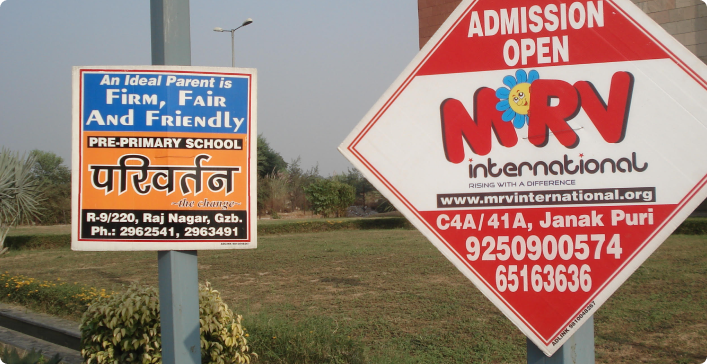
What is outdoor advertising? It’s any marketing placed in public spaces where people move roads, markets, metro corridors, high streets, transit points, malls, and residential hubs. In India, it’s also called OOH (Out-of-Home).
Why it converts when planned well:
- It reaches people outside the scroll
- It builds brand memory fast
- It repeatedly hits the same commuters and shoppers (frequency)
- It supports digital performance (search + social lifts after OOH exposure)
The difference between indoor and outdoor advertising
The difference between indoor and outdoor advertising is mainly context and attention.
- Indoor: More time, closer viewing, longer messages can work (malls, elevators, cinema, in-store screens).
- Outdoor: Less time, faster viewing, message must land in 2–3 seconds (hoardings, kiosks, transit).
If your creative needs explanation, indoor may work better. If your offer is clear and location-based, outdoor wins.
Start with your conversion goal (not the media format)
Before picking boards, decide what “conversion” means for you:
- Retail walk-ins (stores, clinics, showrooms)
- Calls/WhatsApp inquiries
- Website visits + lead forms
- Event footfall
- Dealer/distributor inquiries
Match the goal to intent
- High intent (near your store/office): shorter routes + tighter radius placements
- Low-to-mid intent (brand building): highways, arterial roads, transit hubs for frequency
This is where professional outdoor advertising services help because the media plan should match the funnel stage, not just “busy roads.”
Types of outdoor advertising and what they’re best for
There are many types of outdoor advertising, but not all are equal for conversions.
High-conversion formats (local action)
- Pole kiosks / street furniture: repeated visibility, great for local leads
- Market and high-street boards: close to purchase decisions
- Transit points (bus stops/metro entries): footfall + repeated exposure
- Directional signage: “Turn left in 200m” style very effective for walk-ins
High-reach formats (awareness + trust)
- Hoardings on arterial roads
- Unipoles
- Building wraps (premium visibility for launches)
Digital formats (fast testing + time targeting)
- Outdoor display advertising (digital screens/DOOH) can rotate creatives, run day-parting, and test different offers faster than static media.
Location strategy: choose “where buyers are,” not just “where traffic is”
A high-traffic road doesn’t always equal high conversions. The real question is: who is traveling there and why?
Outdoor advertising in Mumbai (quick planning lens)
Mumbai campaigns convert best when planned around:
- station-to-office corridors
- high-street retail zones
- residential-to-commercial daily routes
- premium hubs for brand trust (finance, real estate, healthcare)
Outdoor advertising in Punjab (what often works)
Punjab conversions often improve with:
- market-led placements near commercial clusters
- highway + city entry points for broader reach
- repeated frequency placements near local hotspots
Tip: prioritize frequency within a tight area over one expensive board far away especially for local services.
Creative that converts in 3 seconds
Outdoor creative is not a brochure. Make it scannable.
Use this conversion-friendly structure:
- Big offer (or problem/solution)
- One clear action (Call / Visit / Book / Enquire)
- Short credibility cue (years, ratings, “authorized dealer,” “ISO,” etc.)
- Directional hint if local (landmark, distance, area name)
Avoid:
- tiny text blocks
- too many services
- low-contrast colors
- generic slogans with no next step
Don’t skip tracking (yes, OOH can be measurable)
The easiest ways to measure conversions:
- Dedicated landing pages (city/area-based)
- QR codes used only on outdoor creatives
- Unique call tracking numbers (if your process supports it)
- “How did you hear about us?” at enquiry stage
- Search lift tracking (brand search increases after placements)
Good planners use outdoor advertising websites and inventory data to shortlist locations, then measure performance with simple tracking assets.
Outdoor advertising prices: what affects cost (and what’s “worth it”)
Outdoor advertising prices vary by:
- city and demand (tier-1 vs tier-2)
- visibility (angle, speed of road, obstruction risk)
- format type (static vs digital)
- duration (short bursts vs sustained frequency)
- production + installation + permissions
Smarter budgeting moves
- Spend more on repeat exposure (multiple touchpoints) than one “hero” board
- Reserve premium boards for launches; use kiosks/transit for sustained leads
- Lock in bundles where possible for better cost efficiency
How to choose the right partner (and avoid costly mistakes)
When comparing outdoor media advertising companies, advertising agencies in India, or searching for an outdoor advertising agency near me, ask these practical questions:
- Do they provide a media plan (not just a rate card)?
- Can they share photo proofs and reporting schedules?
- How do they handle permissions and compliance?
- Do they recommend formats based on goal, not just availability?
- Do they support creative + printing + installation end-to-end?
At Adlink Publicity, the focus is planning media that matches your conversion goal then backing it with production quality and clear reporting so you know what’s working.
Conclusion
Outdoor works when it’s planned like performance marketing: clear goal, smart locations, simple creative, and tracking. If you want a conversion-focused media plan whether it’s outdoor advertising in Mumbai, outdoor advertising in Punjab, or multi-city coverage connect with Adlink Publicity to shortlist the right formats, estimate costs, and build a campaign that drives real enquiries.
FAQs:
Pick formats close to decision points (markets, high streets, transit) and keep the message simple with one clear CTA. Add tracking to prove results.
Use tight-radius placements near your service area, repeat exposure (frequency), and a direct CTA like “Call/Visit/Book” with simple tracking.
It can be especially if you want multiple creatives, time-based messaging, and faster testing. Static still works well for long visibility and brand recall.
For local lead-gen, even 2–4 weeks can show lift if placements are tight and creative is direct. For brand building, plan longer for consistent frequency.
Many do, but always confirm. End-to-end outdoor advertising services reduce delays and ensure consistent quality onsite.